
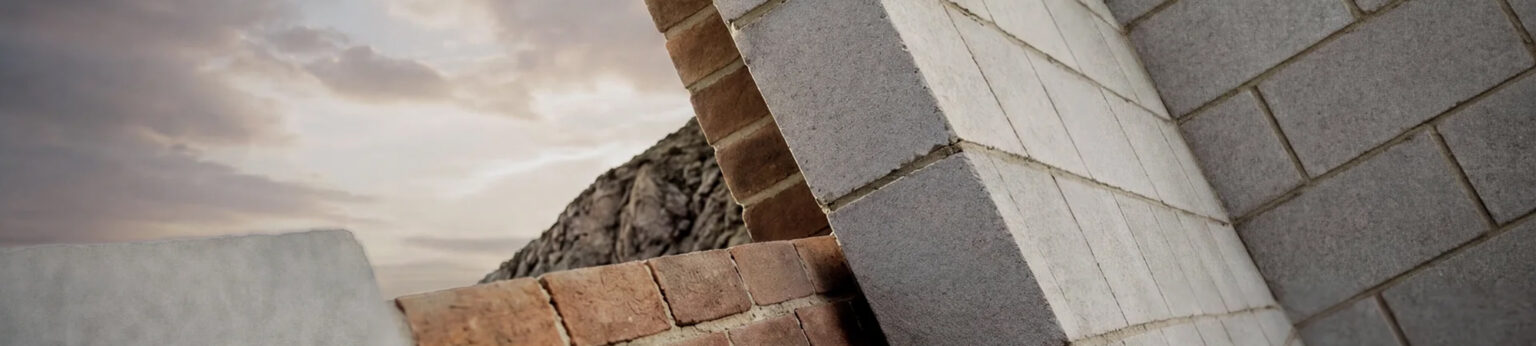
Aircrete is a type of concrete that is lightweight but very strong and durable. Aircrete is made using cement, lime, water and pulverised fuel ash (PFA) with a dash of aluminium. Due to its properties, the aluminium causes a chemical reaction that forms millions of bubbles. These bubbles then dissipate during the curing process, to create a lightweight block, which looks rather like the inside of an Aero.
This aircrete block has all the strength required to build a house with the added benefits of it being extremely lightweight and thermally and acoustically efficient. Should you choose to build your house with aircrete, you will get a solid house that meets every aspect of the building standards within the UK.
Fire and moisture resistance
Aircrete won’t burn, rot or warp. It is fire-resistant and can contain the spread of fire within a building. It is also resistant to moisture and sulfates, and the effects of freeze/thaw cycles.
Aircrete blocks are certified as Class A1 non-combustible. This is the highest possible rating achievable under European standards (BS EN 13501-1), meaning the material does not contribute to a fire at any stage, including fully developed fires.
Surface Spread of Flame (Class 0): Under standard UK Building Regulations, aircrete achieves a Class 0 rating. It strictly prevents the propagation of flames or heat across its surface.
Lightweight blockwork for versatility
Aircrete is the lightest of the different masonry block types making it easy to handle on site and quicker to lay. Due to its material properties aircrete blocks can be cut with a hand saw, which many other masonry blocks cannot. This makes it a very versatile building product. It also means that site wastage can be kept to a minimum because special shapes and infill pieces can be easily cut.